
Posts by modenabethesda
How to Choose Between Assisted Living and Memory Care

Wondering how to decide between assisted living and memory care? Choosing the right level of support for a parent or loved one can feel complex. At Modena Reserve at Bethesda in Bethesda, MD, we’re here to guide you through every step. Taking the time to understand the key differences between assisted living and memory care…
Read MoreModena Reserve at Bethesda Balloon Volleyball Event Featured in Bethesda Today
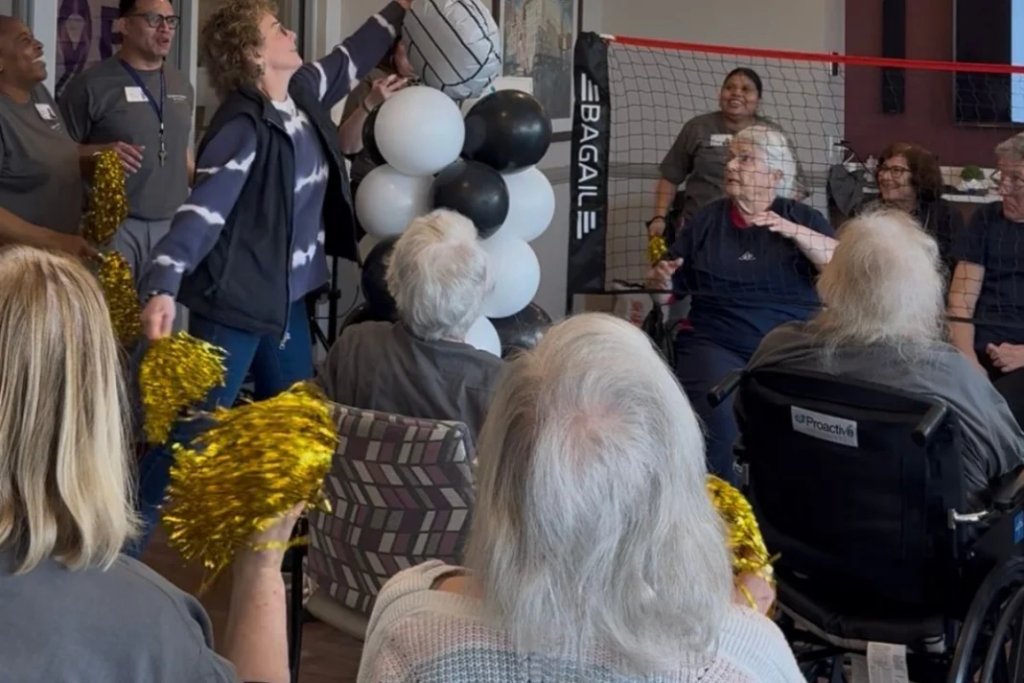
Modena Reserve at Bethesda hosted a spirited balloon volleyball match against one of its sister communities, Village Crossing at Worman’s Mill, and the event earned coverage in Bethesda Today. Here is an excerpt from the story: A boisterous chorus of whoops and laughter filled the activity room at Modena Reserve at Bethesda, a senior living…
Read MoreCan You Prevent Dementia?

While there is currently no guaranteed way to prevent dementia, research suggests that older adults can take meaningful steps to lower their risk and support long-term brain health. Dementia is influenced by a mix of genetic, environmental, and lifestyle factors, but healthy daily habits may help protect the brain and delay the onset of cognitive…
Read MoreFinding Relief for Tired, Achy Eyes
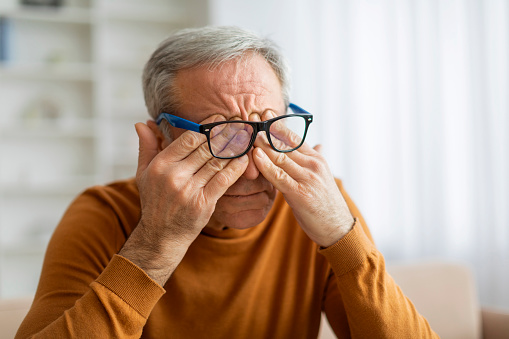
Tired, achy eyes are a common concern for many seniors and can result from several factors. One of the most frequent causes is eye strain, which happens when the eyes work too hard—often from reading, sewing, or spending long periods on digital devices without taking breaks. As we age, the eye’s natural lens becomes less…
Read MoreBest Foods to Help Lower Your Cholesterol
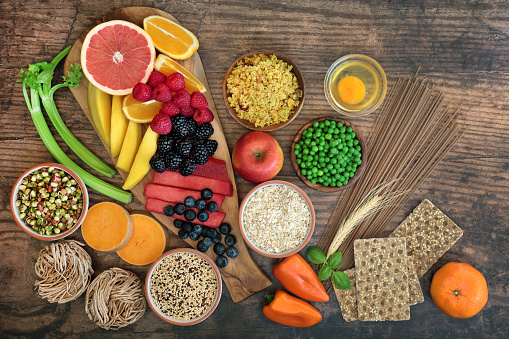
Lowering cholesterol is especially important for older adults, as it helps protect heart health and reduces the risk of stroke and other cardiovascular diseases. Fortunately, certain foods can play a powerful role in improving cholesterol levels naturally, while also supporting overall wellness. One of the most effective groups of foods for lowering cholesterol are those…
Read MoreThe Most Common Chronic Health Issues Impacting Older Adults
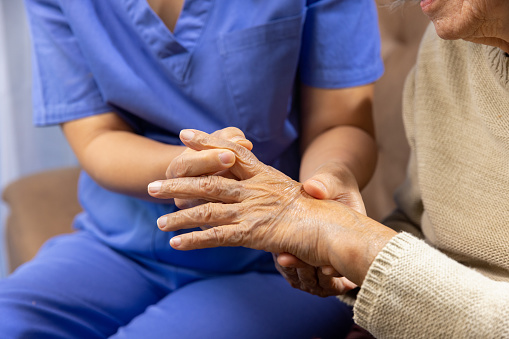
As people age, they become more susceptible to chronic health conditions due to natural changes in the body, lifestyle factors, and genetics. Some of the most common chronic health conditions that impact seniors include heart disease, diabetes, arthritis, and chronic respiratory diseases. These conditions can significantly affect quality of life, mobility, and independence, often requiring…
Read MoreTips for How to Avoid Getting the Flu
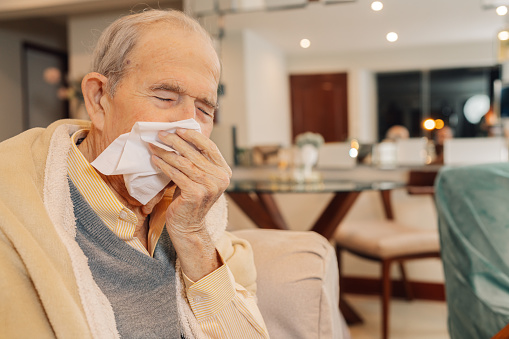
We’re nearing the peak flu season in the U.S., which means it’s time to brush up on some best practices to help prevent you from getting this respiratory illness. One of the most effective ways older adults can protect themselves from the flu is by getting an annual flu vaccine. Because immunity naturally weakens with age,…
Read MoreChronic Pain in Older Adults

Chronic pain is a common challenge for older adults, often lasting months or even years, and can greatly affect daily activities and quality of life. One of the most frequent causes is age-related wear and tear on the body, such as osteoarthritis, which damages joints and leads to stiffness and discomfort. Other conditions, including osteoporosis,…
Read MoreTips for Healthier Skin as You Age
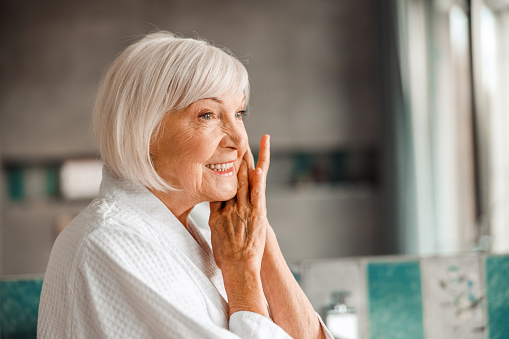
As we age, our skin naturally changes—becoming thinner, drier, and more delicate. While we can’t stop time, there are many ways to help skin stay healthier, more resilient, and radiant. Developing consistent habits and making thoughtful lifestyle choices can go a long way toward preserving skin health and comfort. One of the most important steps…
Read MoreThe Impact of Medications on Cognitive Decline
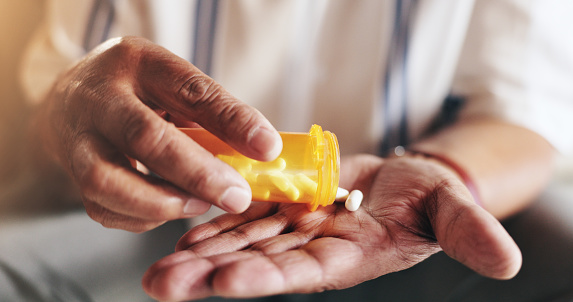
High blood pressure and high cholesterol are two major risk factors for cognitive decline and dementia in older adults. When left untreated, these conditions can damage blood vessels throughout the body, including those in the brain. Over time, this damage can lead to reduced blood flow, increased inflammation, and a higher risk of strokes or…
Read More