
Posts by modenabethesda
Is It Too Soon to Diagnose Alzheimer’s in People With No Symptoms?
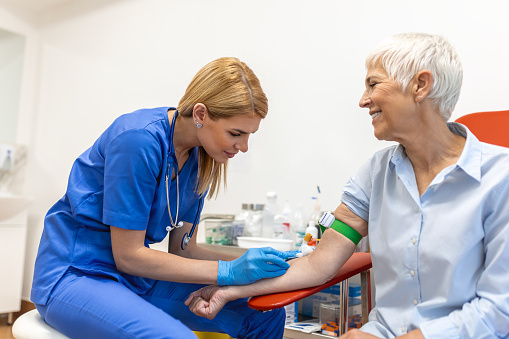
Did you know that you don’t have to experience memory loss or other common dementia-related symptoms to be diagnosed with Alzheimer’s? Alzheimer’s disease often begins with subtle signs that progressively impact daily life. One of the earliest indicators is memory loss, particularly forgetting recently learned information, important dates, or events, and frequently asking the same…
Read More8 Things to Know About Heart Disease

Heart disease poses a significant concern for older adults due to a combination of age-related physiological changes and accumulated risk factors. As individuals age, the heart and blood vessels undergo structural and functional alterations, including increased stiffness of arterial walls, which can lead to elevated blood pressure and a higher workload on the heart. These…
Read MoreThe 3 Supplements You Might Actually Need After 50

As we age, our bodies undergo changes that can affect nutritional needs and nutrient absorption. Older adults may require higher amounts of certain vitamins and minerals to maintain optimal health. For example, calcium and vitamin D are crucial for bone health, helping to prevent osteoporosis and fractures. Vitamin B12 is another essential nutrient, as some…
Read MoreWhat to Know About Knee Replacement Surgery
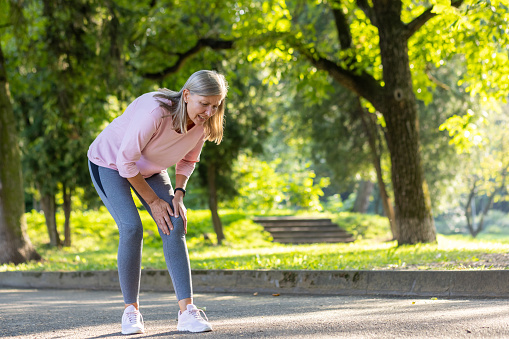
Knee replacement surgery, also called knee arthroplasty, is a procedure in which a damaged or worn-out knee joint is replaced with an artificial joint. It is typically done to relieve pain and improve mobility in people with severe arthritis or knee injuries. Doctors may recommend knee replacement for people who have severe osteoarthritis or rheumatoid arthritis causing chronic pain and…
Read MoreCorrecting Your Vision Could Lower Your Alzheimer’s Risk
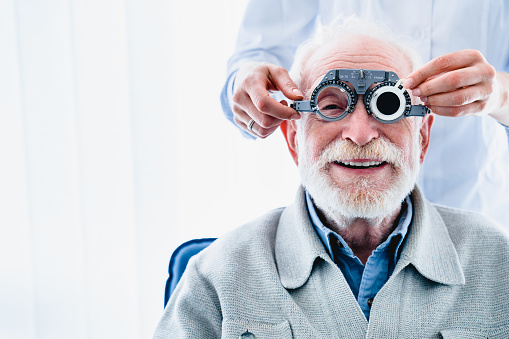
Vision impairment is strongly linked to a higher risk of dementia, including Alzheimer’s disease. This connection is due to how vision loss affects brain health, mental stimulation, and social interaction. Visual processing areas in the brain can overlap with regions affected by dementia. Vision impairment can signal early neurodegeneration in these shared areas, suggesting a common underlying pathology. In…
Read MoreWhat to Know About Renewing Your Driver’s License

Let’s face it, no one enjoys the process of renewing your driver’s license. Renewing a driver’s license can be a source of stress for older adults due to several factors. In many regions, individuals aged 79 and older are required to renew their driver’s licenses in person at a Department of Public Safety (DPS) office. This…
Read More7 Cancers Linked to Alcohol Consumption

Alcohol consumption can increase the risk of several types of cancer due to its harmful effects on the body at a cellular level. When alcohol is metabolized, it breaks down into acetaldehyde, a toxic chemical that can damage DNA and prevent cells from repairing themselves properly. This DNA damage can lead to uncontrolled cell growth,…
Read MoreThe Superpowers of Polyphenols

Polyphenols are natural compounds found in plant-based foods that offer numerous health benefits, primarily due to their antioxidant and anti-inflammatory properties. They help protect cells from oxidative damage, which can reduce the risk of chronic diseases such as heart disease, diabetes, and neurodegenerative disorders. Polyphenols also support cardiovascular health by improving blood circulation, lowering blood…
Read MoreWhat to Tell Grandkids When a Grandparent Has Dementia
Explaining a dementia diagnosis to kids can be challenging for several reasons. Not only is the disease very complex, with a progressive nature that can be difficult to predict from person to person, but the diagnosis brings with it an emotional impact, the potential for misunderstanding or self-blame, and frustration when no easy answers are…
Read MoreWhat Your Eye Color Can Say About Your Health
Did you know that the color of your eyes can offer clues about your health, not just genetically but also by revealing potential underlying medical conditions? It’s true! Lighter eyes, such as blue, green and gray, are more sensitive to light and may carry a higher risk of macular degeneration. Dark eyes, brown and dark…
Read More